
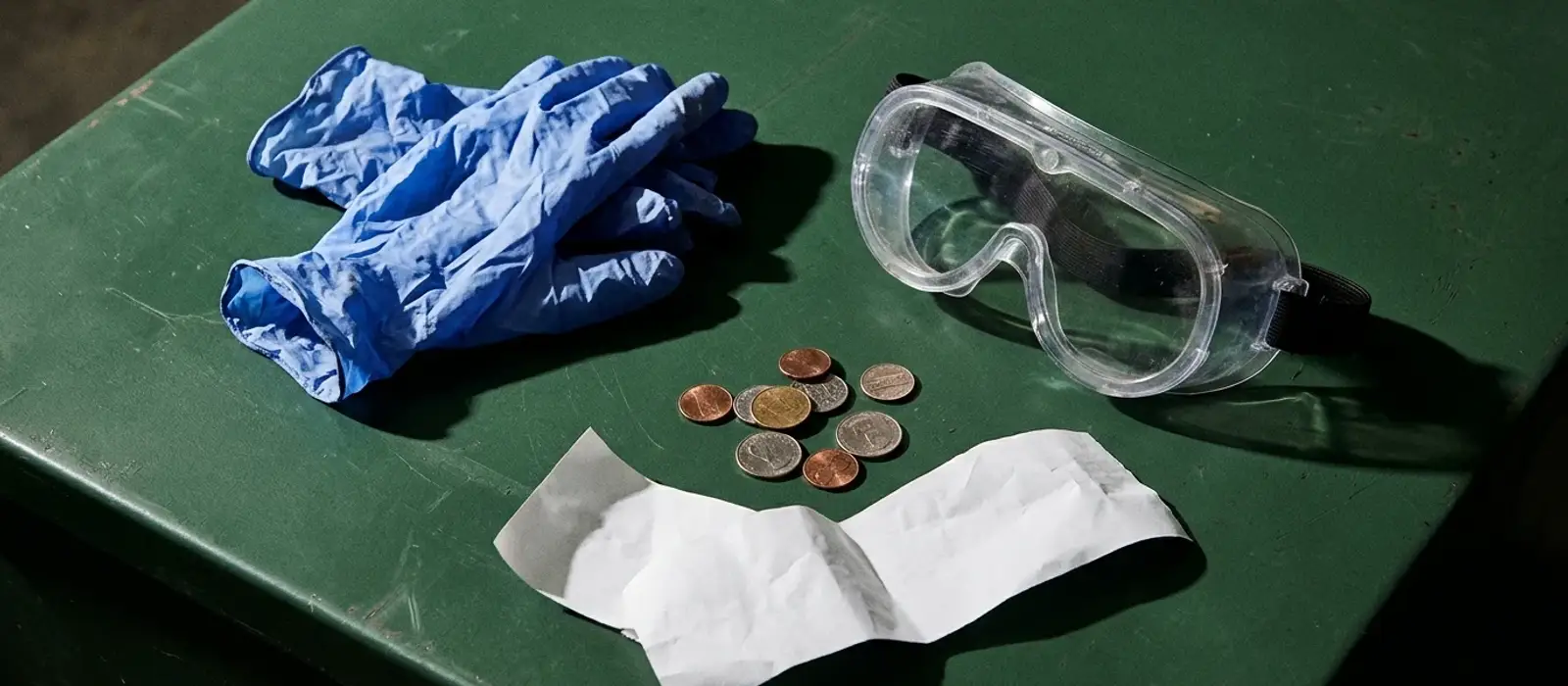
What Employers Usually Pay For
- Hard hats, safety glasses, face shields and non-prescription eyewear.
- Respirators, hearing protection and chemical gloves.
- Fall protection harnesses and lanyards.
- Metatarsal guards and specialty footwear.
Advertisement
The Exceptions
- Non-specialty safety-toe boots and prescription safety eyewear, if the employer permits them to be worn off the job.
- Everyday clothes, street shoes and ordinary sunscreen or weather clothing.
- Logging boots, under the logging standard.
- Items a worker owns and chooses to use, where the employer allows it. The employer still must make sure they are adequate.
The Step Before Buying
Employers must assess the workplace for hazards, select suitable PPE, train workers and certify the assessment in writing, under 1910.132(d) and (f). Our PPE checklist is a starting point. Find suppliers near you.
General information, not legal advice. Rules change and State Plan states may differ, so confirm with the current standard or your state agency.